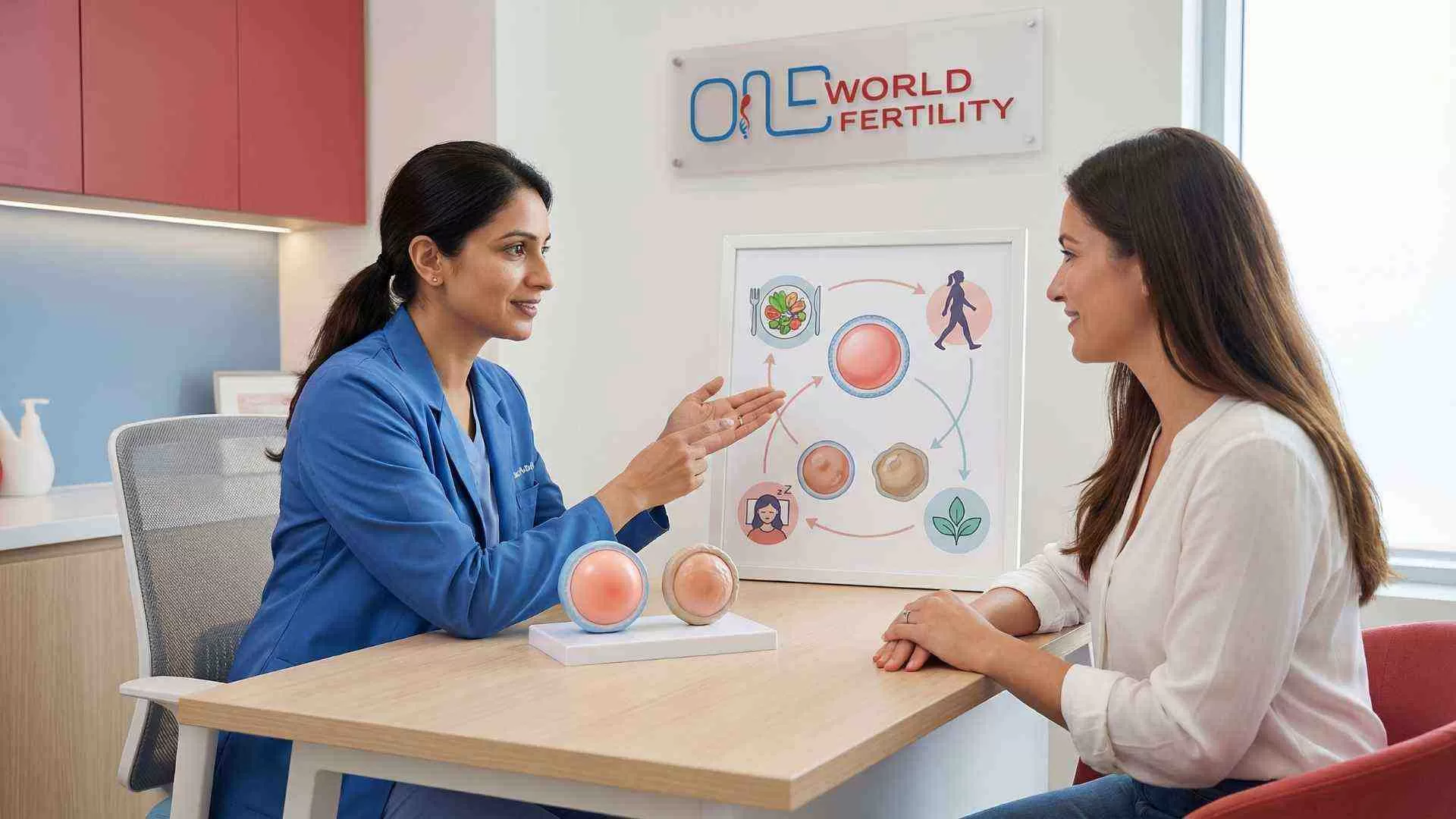
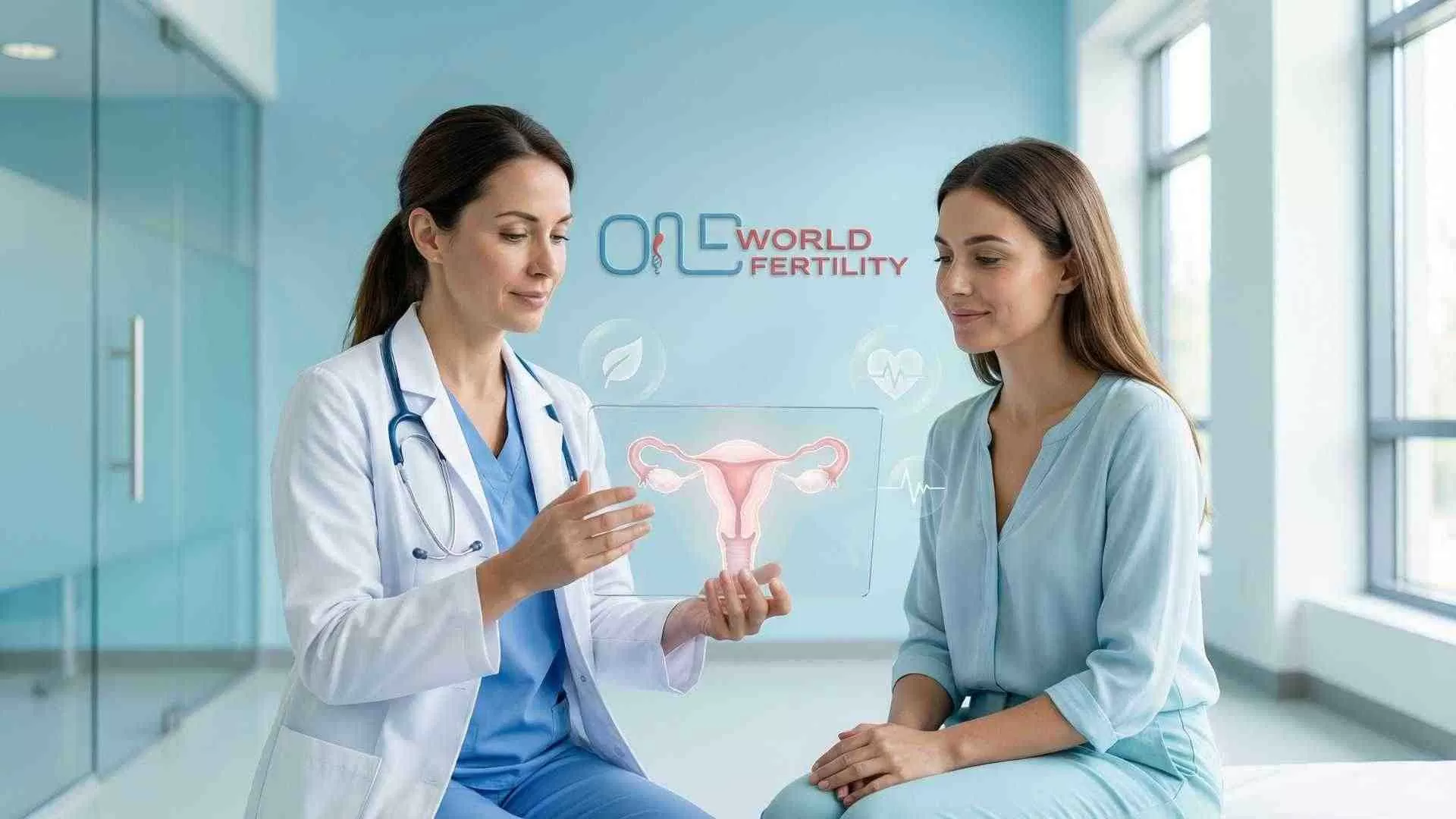
If someone tells you that your eggs might not be very good, it can feel heavy and personal. A lot of women worry about it: "Will I be able to get pregnant?" Was there something else I might have done? Most likely, you're here because you care a lot about your health and yourself. Making changes to your daily habits can affect the quality of your eggs. This will help you fully understand how changing your lifestyle can improve the quality of your eggs. Egg health, hormone balance, and pregnancy are all affected by what you eat, how you sleep, how stressed you are, and how well your body rests. Making changes to your lifestyle won't fix everything, but they can help your body in important ways and make it easier for healthier eggs to grow.
This blog is written with care and honesty to help you figure out what you can do better, what you can expect, and how to move forward with hope instead of stress. You're not going through this journey by yourself, and you can still do a lot of things.
Understanding Egg Quality and Why It Matters for Fertility
What people mean by "egg quality" is how healthy an egg is on the inside, or more specifically, whether it has the right genes to grow into a healthy baby. What does "quality" mean for eggs? It has to do with how well the chromosomes are grouped in an egg and whether the egg can fertilise, grow into an embryo, and then become a baby.
Now comes the important part: the quality of the eggs and the ability to have children are closely linked. Even if you have a lot of eggs, it will be harder to get pregnant if the quality isn't good. Good egg quality can help you get pregnant naturally, improve your chances of success with IVF, and make sure your baby is healthy from the beginning to the end.
Miscarriage and failed embryo development are also often caused by poor egg quality. This isn't because you did anything wrong, but because the egg's chromosomes may not have been properly assembled from the start.
Egg Quality vs Egg Quantity- What's the Difference?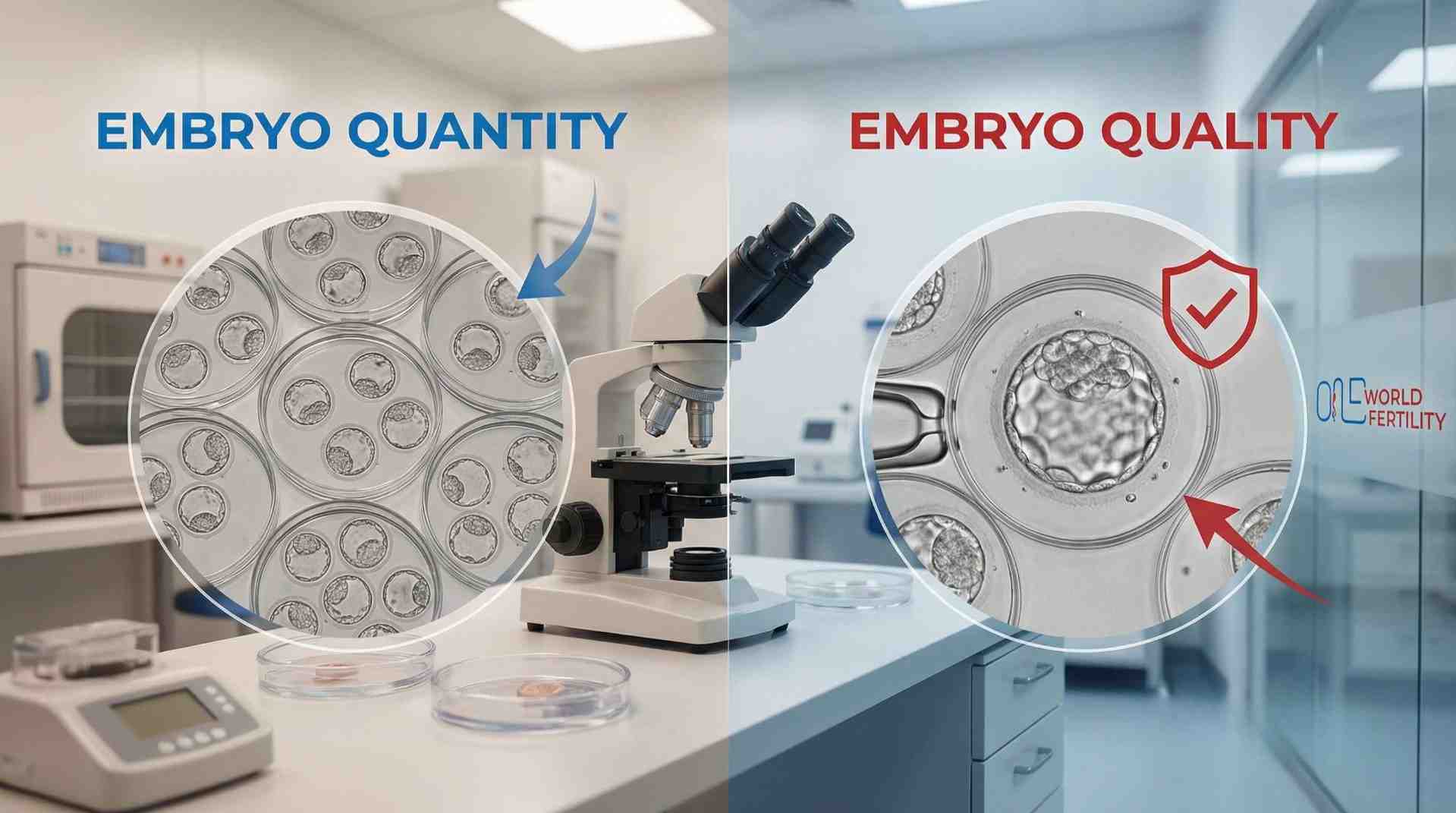
It's easy to confuse the two, but they're very different:
- Egg quantity is about how many eggs you have left (your ovarian reserve).
- Egg quality is about how healthy those eggs are.
You could have a high egg count but struggle with fertility if the quality is low. On the other hand, even with fewer eggs, better quality can make all the difference.
Egg Quality vs Egg Quantity
Aspect
|
Egg Quality
|
Egg Quantity
|
What it means
|
How healthy and chromosomally normal your eggs are
|
How many eggs are left in your ovaries
|
Impact on fertility
|
Better conception rates, IVF success, lower miscarriage risk
|
Influences ovarian reserve and response to fertility treatment
|
Can lifestyle help?
|
Yes-healthy habits may improve quality
|
Lifestyle cannot increase egg number
|
Tested through
|
AMH, FSH, age, embryo quality
|
AMH, FSH, LH, Serum Estradiol, Ultrasound (AFC)
|
Key consideration
|
Couples can opt for preconception genetic testing for autosomal recessive diseases
|
Helps in planning fertility timelines and treatment options
|
Why This Matters to You
Figuring out what "egg quality" means helps you focus on what you can change. Even though you can't get more eggs, So you can make changes to your lifestyle that will help the eggs you already have stay healthy.
Can Egg Quality Really Improve Naturally?
Have you been thinking the same thing as the person reading this? Is there really anything I can do? Is it too late?
I have some good news for you: egg quality can get better, but it won't happen right away, and that's fine. There's no magic you need. You want replies that are real and honest. It's also true that you can't take a pill today and have perfect eggs tomorrow. That being said, you can start making your body healthy, which will give your eggs a better chance.
Think about it this way: your eggs need about 90 days to grow up before they can be shed. Small changes you make today, like what you eat, how you rest, and how you take care of yourself, are already making the eggs that will be ready in three months.
When you hear that there are natural ways to make eggs better, know that it won't work right away. The trip will take three to six months. And to be honest? When you're giving your body your all, that doesn't sound like a long time.
What You Can Change and What You Can't
Let's be honest with each other. Lifestyle changes won't turn back time. If you're 38, your eggs won't turn back into 28-year-olds. And that's not your fault-it's just biology.
But this is what lifestyle can do and why it's important:
- It makes your eggs make more energy. There are little power units called mitochondria inside every egg. Your eggs are better able to fertilise and grow into babies when they are healthy
- It protects your eggs from damage. Stress, poor diet, and inflammation can harm the DNA inside your eggs. Small, consistent changes help shield them from that damage.
These aren't huge miracles- but they're real improvements. And sometimes, they're exactly what tips things in your favour.
How Lifestyle Directly Affects Egg Quality
Of course, you've heard that how you live affects your ability to have children, but how exactly? I'll show you how to do it.
There is a clear link between how you live and the quality of your eggs. The place where your eggs grow is affected by the things you do every day. And there are some things you can change that affect egg quality.
Oxidative Stress and Egg Damage
Important: Free radicals can hurt your eggs. These are unstable molecules that attack healthy cells when you're worried, don't eat well, or don't get enough sleep.
These free radicals can damage an egg's DNA, making it less likely to fertilise and grow properly. It's called reactive stress, and too much of it hurts your eggs.The good news? The antioxidants in brightly colored fruits, veggies, nuts, and seeds can fight these free radicals and keep your eggs safe. Not only are you eating well, but you are also protecting your eggs from harm.
Hormonal Balance and Egg Maturation
The way your eggs grow is directly affected by your hormones. Three are the most important:
- When insulin levels are out of whack, which can happen due to food or PCOS, it stops ovulation and causes inflammation that lowers egg quality.
- Hormones in the thyroid control energy and metabolism. Even small imbalances can change how eggs develop and how your body helps the pregnancy.
- Stress hormone cortisol: Long-term stress raises cortisol levels, which can mess up your cycle and make eggs less healthy as they mature.
The good news is that your lifestyle can help control all three. Balanced meals keep insulin levels steady. Managing stress makes cortisol go down. Eating right is good for your thyroid.Having healthy hormones is good for your eggs because it makes them grow better. It's not about being perfect; it's about making things better.
Getting to know living and egg quality isn't about who's to blame. You need to know that your body is still listening. You are making choices that will help, even if you can't see it yet.
Diet Changes That Improve Egg Quality
If you're wondering what you can actually do starting today, here's something practical: what you eat matters. A lot.
The right egg-quality diet doesn't have to be complicated or restrictive. It's about nourishing your body with the nutrients your eggs need to develop correctly. Think of it as feeding your fertility from the inside out.
The good part? These aren't exotic superfoods or expensive supplements. They're real, whole foods to improve egg quality that you can find at any grocery store.
Best Foods for Egg Quality
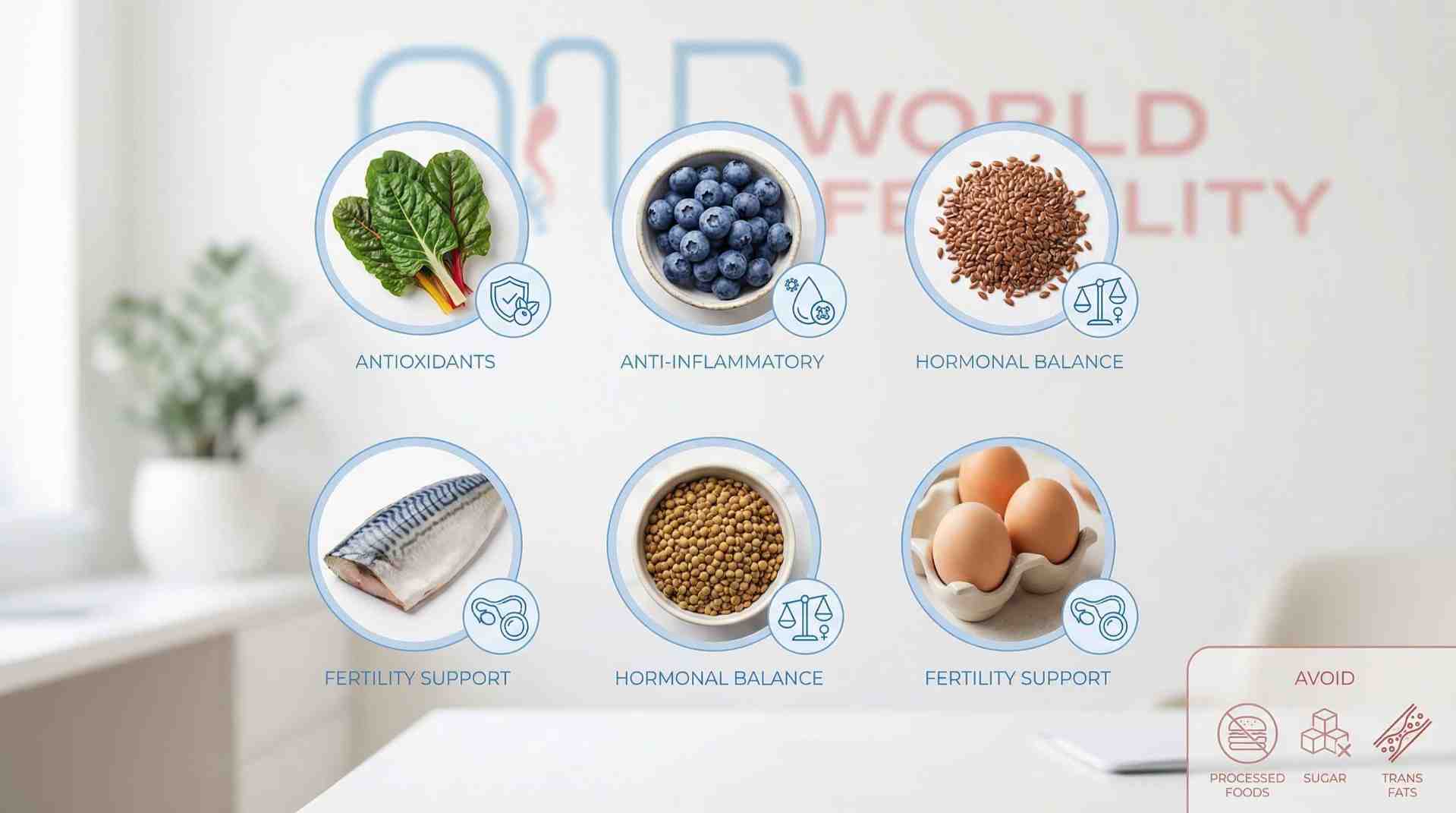
These things really help eggs stay healthy, and here's why they work:
- Leafy greens: kale, spinach, and Swiss chard - It is rich in folate, which helps make DNA and helps keep chromosomes from getting messed up.
- Berries: Like strawberries, raspberries, and blueberries - Full of antioxidants that protect egg DNA from harm and fight oxidative stress.
- Nuts and seeds: Like flaxseeds, chia seeds, walnuts, and almonds - It has healthy fats, omega-3s, and vitamin E that lower inflammation and help keep hormones in order.
- Fatty fish: Like mackerel, salmon, and sardines - Full of omega-3 fatty acids that make eggs better and help with sexual health.
Lentils and eggs
They have a lot of protein, iron, and B vitamins, which are all important for making eggs and energy. You don't have to eat all of these every day. Just start cooking with them more often each week.
Food Key
|
Nutrients
|
How It Helps Egg Quality
|
Leafy greens
|
Folate, iron, antioxidants
|
Supports DNA health and protects against abnormalities
|
Berries
|
Antioxidants, vitamin C
|
Fights oxidative stress and egg DNA damage
|
Nuts & seeds
|
Vitamin E, omega-3s, healthy fats
|
Reduces inflammation, supports hormone balance
|
Fatty fish
|
Omega-3 fatty acids, vitamin D
|
Improves egg quality and reproductive health
|
Eggs
|
Protein, choline, B vitamins
|
Provides building blocks for healthy egg development
|
Lentils
|
Protein, iron, folate
|
Supports energy production and hormonal balance
|
Lifestyle Habits That Damage Egg Quality And How to Fix Them
Some habits affecting egg quality might be working against you-not because you're doing anything wrong, but because you didn't realize how much they matter. If you're doing any of these, please don't feel guilty. You're here now, and that's what counts. Let's talk about what might be hurting your eggs-and what you can do about it.
Smoking and Alcohol
Smoking accelerates egg aging. It damages egg DNA and speeds up egg loss. Quitting now is one of the most powerful things you can do for your fertility.Alcohol disrupts estrogen and hormone balance, interfering with ovulation and egg development. Cutting back-or stopping-while trying to conceive gives your body a real advantage.These habits are hard to change. But your eggs respond faster than you think.
Poor sleep & Stress
Both long-term worry and not getting enough sleep mess with hormones that affect the quality of eggs.
Stress keeps your cortisol levels high, which can stop you from ovulating, mess up your cycle, and hurt eggs that are still forming.
Also, hormones get out of order when you don't get enough sleep. To keep amounts of estrogen and progesterone in check, your body needs rest. Your eggs will suffer without it.
What helps:
- Try to get 7–8 hours of sleep every night.
- To relieve stress, try deep breathing, walking, or writing in a notebook.
- If worry is getting to you, talk to someone about it.
You only need to get better.
Harmful Habits vs Solutions
Harmful Habit
|
How It Damages Eggs
|
What You Can Do
|
Smoking
|
Accelerates aging, damages DNA
|
Quit now—every day counts
|
Alcohol
|
Disrupts estrogen and ovulation
|
Limit or stop while trying to conceive
|
Chronic stress
|
Raises cortisol, disrupts egg development
|
Practice breathing, walking, or therapy
|
Poor sleep
|
Disrupts hormone balance
|
Prioritize 7–8 hours nightly
|
Exercise and Its Role in Improving Egg Quality
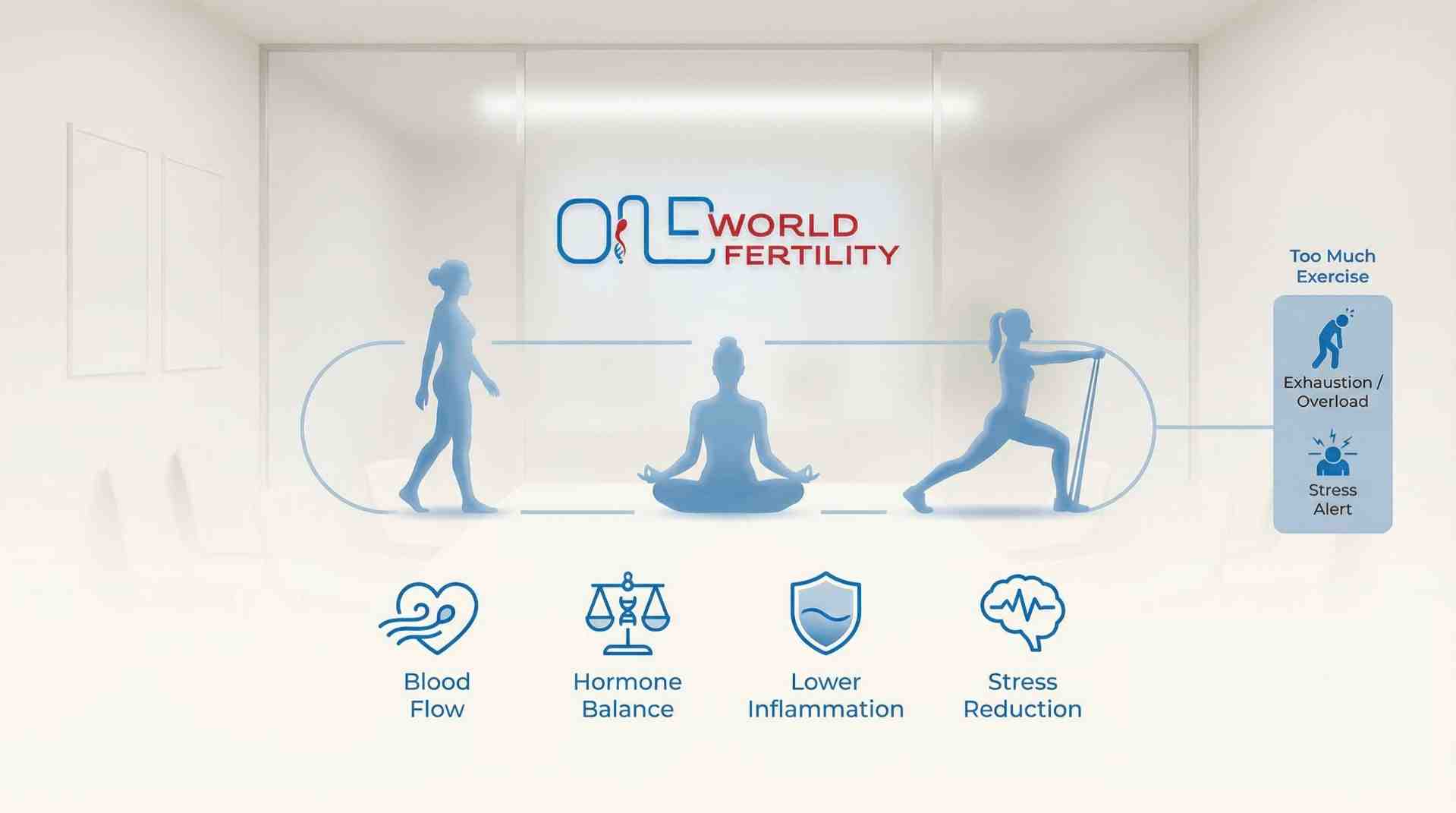
You might be wondering if moving really does help. Is it just another thing to worry about? To get good eggs, exercise does help, but not in the way you might think. You don't have to work out for hours or run races. It's possible to do too much to hurt your ability to have children. Equal parts are what your eggs need. Moving around regularly and moderately improves blood flow to your ovaries. This gives your eggs more oxygen and nutrients. It also helps keep hormones like insulin in check and lowers inflammation, both of which help eggs grow in a healthy way.
But there's a catch: working out too much can stop pregnancy. When you overwork your body, like when you do a lot of cardio or cut back on calories a lot, it interprets that as worry. Then, your body puts life ahead of reproduction, and your cycle may stop or become irregular. Where is the sweet spot? Regular, gentle exercise that keeps your body strong without wearing it out.
The best way to get pregnant is to:
- Walking for 30 minutes most days; it's easy, doesn't hurt, and calms me down.
- Yoga lowers stress, makes you more flexible, and increases blood flow.
- Two to three times a week, strength exercise builds muscle and keeps hormones in balance.
You're not training to do well. You are moving to help your fertility. And that's a totally different way of thinking.
Exercise Guide for Fertility
Type of Exercise
|
How It Helps Egg Quality
|
Recommended Frequency
|
What to Avoid
|
Walking
|
Improves blood flow, reduces stress
|
30 min, 5-6 days/week
|
Don't overdo intensity
|
Yoga
|
Lowers cortisol, supports hormone balance
|
3-4 times/week
|
Avoid hot yoga or intense flows
|
Strength training
|
Regulates insulin, reduces inflammation
|
2-3 times/week (light-moderate)
|
Don't train to exhaustion
|
High-intensity workouts
|
Can harm ovulation if overdone
|
Limit or avoid while TTC
|
Avoid excessive cardio
|
Remember :-
Moving should make you feel better, not worse. If your workouts make you feel worse, wear you out, or make you skip periods, cut back. It's telling you something through your body.
So you don't need to be great. Just be steady, gentle, and friendly to yourself. That's the right kind of exercise to improve egg quality.
How Stress Reduction Improves Egg Quality
No one else is as stressed out about trying to get pregnant as you are. You may also be having trouble getting pregnant because of the stress.Being aware of the link between worry and egg quality can help you feel more in charge. Your stress hormone, cortisol, stays high when you're under a lot of worry, which throws off the hormonal balance that eggs need to be healthy
When your cortisol level is high, it slows down ovulation by stopping the release of eggs and prevents eggs from maturing. Your body thinks it is in danger and stops reproduction.
The good news? Less stress makes the surroundings healthier for your eggs. Mind-body treatments, like yoga and meditation, can lower cortisol, keep cycles in check, and make things better. You don't have to get rid of all stress; just give your body regular times of peace.
Best Stress-Reducing Practices
Pick one or two that seem easy:
- Five to ten minutes of meditation a day can lower your cortisol level and calm your nervous system.
- Fertility yoga slow, deep breathing and gentle movement can help your blood flow and make you feel less stressed.
- Writing down tough feelings in a journal can help you deal with worry.
- Therapy talking to someone who knows what it's like to have trouble getting pregnant can be very helpful.
Egg Quality Improvement by Age Group
There is one hard truth about pregnancy that no one likes to hear: egg quality varies with age. Your eggs will change as you age; there's no way around that. No matter how old you are, that doesn't mean you can't do anything.
What changes in your living environment can do for you depend on where you are in life. It's fine that a 28-year-old and a 42-year-old start from different places. What matters is that you know what's possible for you and focus on what you can change.
Read this to learn more.
Age Group
|
Egg Quality Status
|
What Lifestyle Can Do
|
20s–Early 30s
|
Naturally high
|
Protect quality; maintain fertility longer
|
Mid 30s (35–37)
|
Starting to decline
|
Significant improvement possible
|
Late 30s (38–39)
|
Noticeable decline
|
Can help; may improve IVF outcomes
|
Early 40s (40–42)
|
Rapid decline
|
Optimize remaining quality; be realistic
|
Mid 40s (43+)
|
Very limited quality
|
Limited help; supports overall health
|
When Lifestyle Changes Are Not Enough
It is tough to write and say this. But you deserve the truth.
Making changes to your habits isn't always enough. It's not your fault. It just means your lifestyle isn't providing your body with the support it needs.If any of these sound like you, you might want to talk to your doctor about ways to treat bad egg quality other than changing your lifestyle.
1. Very Low AMH
Anti-Müllerian Hormone (AMH) tells you how many eggs you have left. Very low AMH means there are fewer eggs left, and changing how you live can't make that number go up. You can support the health of what you have, but your doctor may tell you to start treatment sooner or think about getting eggs from a donor.
2. IVF Failures Over and Over
Many failed IVF rounds, even though there are a lot of embryos, may mean that the eggs aren't as good as they could be, which lifestyle changes can't fix. It's possible that you need a new protocol, embryo screening (PGT-A), or to talk about donor eggs.
3. Genetic Issues
Some women carry genetic conditions that affect egg quality-such as balanced translocations. These aren't caused by lifestyle and can't be fixed by it. Poor egg quality treatment may include genetic counseling, preimplantation testing (PGT), or donor eggs.
When Donor Eggs Are Advised
If these things happen, your doctor may suggest donated eggs:
- You have minimal reserve and are in your mid- to late-40s.
- Several IVF attempts fail because the embryos were not good enough
- Genetic problems that affect the health of eggs: tests show few or no healthy eggs
It can feel like sadness to hear this. But using donor eggs isn't giving up; it's picking a different way to become a mother. That takes guts.
Final Thoughts - Small Changes, Meaningful Impact
This is what I want you to remember:
Changing how you live won't turn back the clock on ageing. You won't get the eggs you had when you were 25. On the other hand, they can make the best conditions for better eggs right now, with what they have.
That's more important than you think. You don't have to change everything about your life right away. You don't have to eat right, be stress-free, or sleep well. You need to keep your balance.
Over time, choices are made slowly and steadily. That's what makes your eggs work.
It could have more leafy veggies this week.. It could be going to bed 30 minutes earlier. It could be just letting yourself rest without feeling bad about it. Start there, no matter what it is. Your body will pay attention.
You're not as bad as you think. It's still not too late.
Want to Know How to Improve Your Egg Quality?
You don't have to figure this out alone. Get a personalised fertility & lifestyle assessment before IVF or natural conception—tailored to your age, health, and goals.Book your consultancy with One World Fertility. Let's create the best plan for your body and your journey.
Frequently Asked Questions
Reduce the amount of processed foods and sugar you eat and focus on foods that are high in antioxidants, healthy fats, good proteins, and whole carbs.
It takes about three to four months because eggs need 90 days to grow before they can be released.
Yes, making changes to your lifestyle can improve the health of your eggs by making their cellular surroundings better, lowering oxidative stress, and making mitochondria work better.
Egg quality is the genetic health and energy level of your eggs. It directly affects your chances of getting pregnant and having a healthy baby.